
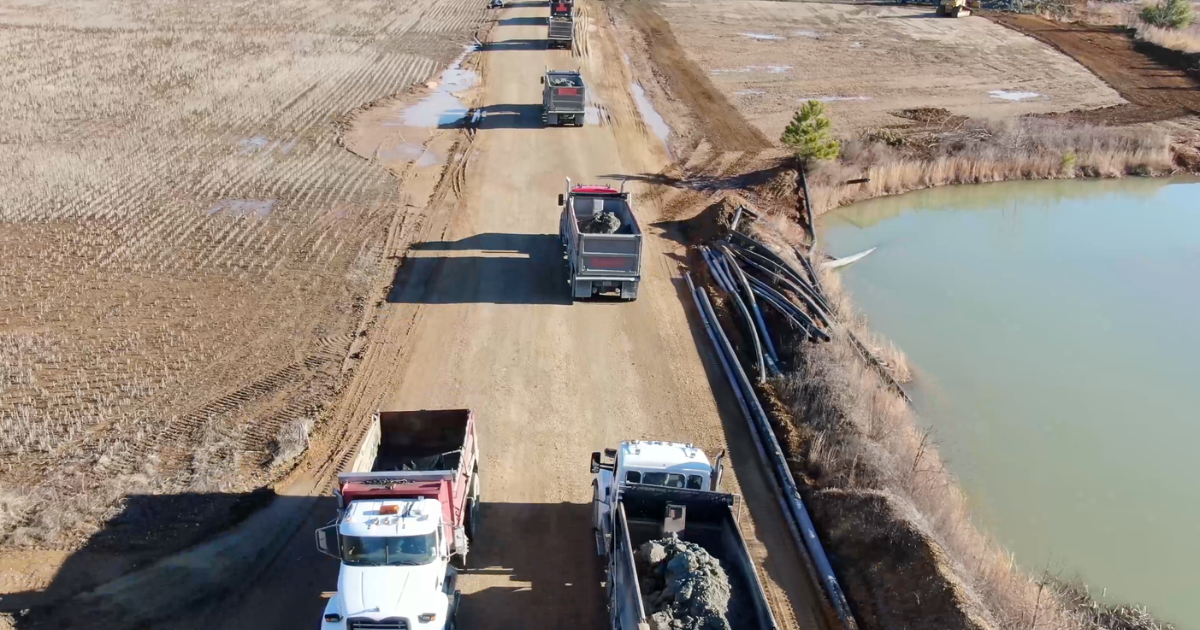
Texas is in the middle of a data center building spree unlike anything the state’s construction industry has seen. At least 248 data centers are planned or underway across the state - 86 in North Texas, 56 in Central Texas, and 45 in West Texas. Census Bureau data puts data center construction spending at $59.3 billion as of May 2026, up 23% from the year before. In Abilene alone, Crusoe’s 900MW AI factory campus supporting Microsoft’s infrastructure is expected to create thousands of construction jobs, and a separate Northeast Abilene expansion is projected to add 10 more buildings worth nearly $11 billion through 2027 and 2028.
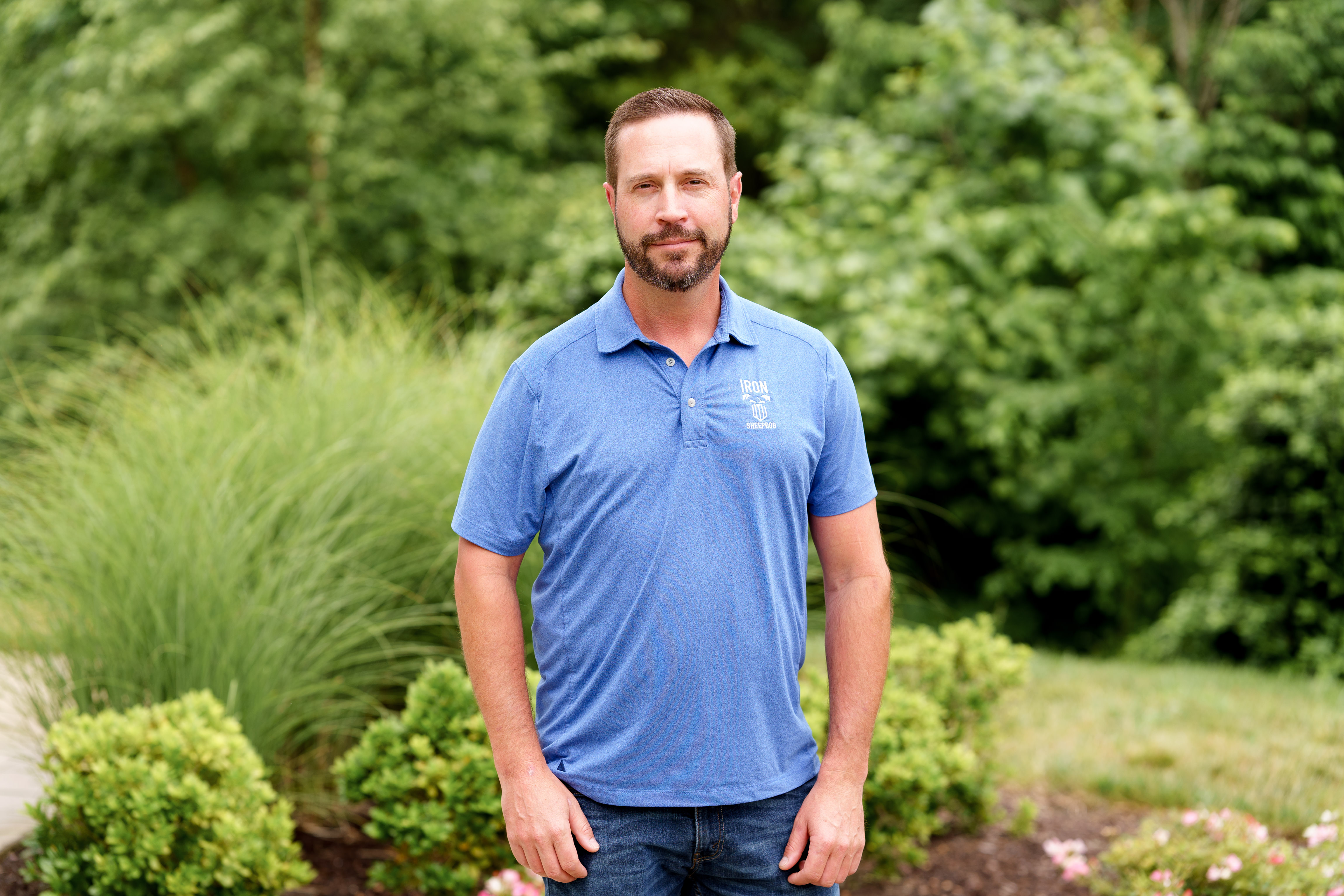
Most of the coverage on this boom focuses on volume: how many trucks, how much material or how many loads. But after talking with one of our own Iron Sheepdog sales representatives, Brett Hutter, who’s working directly with data center contractors in Abilene and Waco, a different picture is coming to light.
The Rural Problem
Data Centers aren't going up in cities with established trucking and material markets. They’re going up in rural areas like Abilene and Waco, where the local supply of trucks and sourced material is limited to begin with. Word travels fast about these projects, and because they're relatively easy to get on, everyone shows up looking for work. The result, as Hutter put it, is that “They [contractors] don't really know which hauler is showing up, who will stay, and who will leave.”
For a contractor trying to run a job on schedule, that uncertainty is the actual risk, not the number of trucks available.
What Contractors Really Want
Contractors have told Hutter they're fine running fewer trucks, as long as they know exactly what's happening. Rates are typically built around how many rounds a truck completes in a day, and visibility into that process changes everything: how long a truck sat waiting at the pit, where there was a backup at the load site, real data proving trucks weren't quietly running other jobs on the side.
“The biggest problem is people spend a lot of time solving the wrong thing,” said Hutter. Contractors don’t need more trucks thrown at a problem, they need to see the ones they already have.
That visibility also solves a slower, more expensive problem: getting paid. On a job running 100 trucks doing four loads a day, that volume is unmanageable on paper tickets. If it takes one to two weeks to get those tickets invoiced, that's two extra weeks before anyone sees their money. Digitizing that process gets everyone - brokers, haulers, contractors - paid faster.
Proof in Abilene and Waco
None of this is theoretical. Iron Sheepdog has been running trucks on the Abilene project for about a year and a half now. When a job in Waco needed 85 trucks on short notice, Iron Sheepdog pulled from their network spanning Texas and beyond to guarantee that number, through direct, candid conversations with brokers.
The scale of these data center projects is also inherently messier than typical heavy civil work. A single data center site can have 14 different entrances and 15 different dump sites, with site utility, pad site, and parking lot crews all hired and subcontracted separately. Points of contact change site to site. Keeping all of that straight is its own full-time job, one that technology is built to solve.
The Trust Problem Nobody’s Talking About
There is a second layer to this that matters just as much to brokers and drivers: getting paid at all. The hauling industry has its share of bad actors who disappear without paying out, and in a booming market, with new faces showing up to every job, that risk goes up. Knowing you’ll get paid - reliably, and on time - is a differentiating factor.
The Real Bottleneck
The data center boom in Texas isn’t slowing down, and the trucking demand behind it is real. But the industry’s true bottleneck isn’t a shortage of trucks available, it's the shortage of visibility into who’s running them, what they’re moving, and whether they’re getting paid on time. That’s the problem worth solving and it’s the one shaping how contractors and brokers are approaching this next wave of projects.
Contractors don't just need more trucks. They need predictability - knowing which trucks are coming, where they are, how many rounds they're making, and whether they'll still be there tomorrow. Trucking drives project cost, and that kind of certainty is what actually keeps a schedule on track.
That's the shift already underway in the Texas data center boom. The winners won't necessarily be the contractors who can find the most trucks, they'll be the ones who can create certainty around the trucks, material, and haulers they already have. Iron Sheepdog is built to be that layer of certainty: real-time visibility, faster payment, and a dependable network, without adding headcount to manage it.
Interested in learning more about how the Iron Sheepdog Broker Network can help on your next large project? Reach out today.
Subscribe to our newsletter
Stay updated with the latest insights and trends by subscribing to our newsletter. Get exclusive content delivered straight to your inbox.